
January 18, 2025 – A recent study has revealed significant levels of toxic per- and polyfluoroalkyl substances (PFAS), commonly known as “forever chemicals,” in smartwatch bands. These findings have sparked concerns about the potential health risks associated with prolonged use of wearable devices.
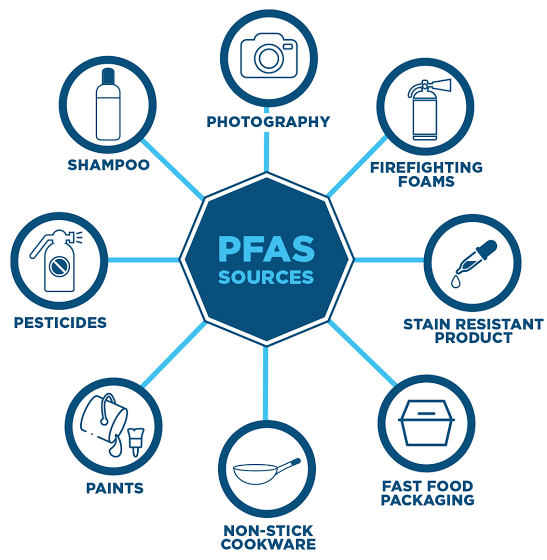
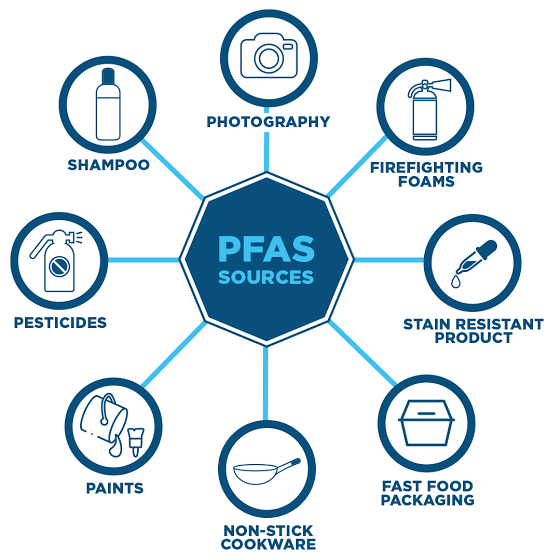
PFAS are a group of man-made chemicals widely used in manufacturing due to their water-resistant, stain-proof, and heat-resistant properties. However, they are notorious for their persistence in the environment and the human body, earning them the nickname “forever chemicals.” Exposure to PFAS has been linked to serious health issues, including cancer, hormonal disruptions, immune system impairments, and developmental problems in children.
Study Details and Findings
Researchers tested smartwatch bands made from a variety of materials, including plastic, rubber, silicone, leather, and metal. The study revealed that bands made from rubber, plastic, and leather showed particularly high concentrations of PFAS, exceeding acceptable safety limits. These chemicals are often used in these materials to enhance durability and resistance to wear and tear.
The study highlighted that the chemicals could leach onto the skin, especially under conditions of heat and sweat, making smartwatch users vulnerable to prolonged exposure. “People wear these devices daily and often for extended periods, which increases their risk of absorbing these harmful substances through their skin,” explained the study’s lead researcher.
Health Risks and Environmental Concerns
PFAS are known to accumulate in the body over time, leading to long-term health effects. Studies have linked these substances to thyroid disorders, high cholesterol, liver damage, and increased risks of certain cancers. Additionally, PFAS contamination in the environment poses a threat to wildlife and water supplies.
Calls for Action
Health and environmental advocates are urging smartwatch manufacturers to address the issue by re-evaluating the materials used in their products. “Consumers deserve to know what they are being exposed to when using everyday items,” said an expert in environmental health. “Companies need to adopt safer alternatives and prioritize transparency about the chemical composition of their products.”
Governments and regulatory agencies are also being called upon to tighten regulations around the use of PFAS in consumer goods. Some countries, including the European Union, have already taken steps to restrict or phase out PFAS in certain industries.
What Can Consumers Do?
While the findings are alarming, experts recommend taking precautions to minimize exposure:
1. Opt for alternative materials: Choose smartwatch bands made from metal or fabric, as these are less likely to contain high levels of PFAS.
2. Regular cleaning: Clean smartwatch bands regularly to reduce chemical residues.
3. Monitor regulations: Stay informed about brands and manufacturers that prioritize non-toxic materials.
The Road Ahead
This study has ignited a broader discussion about the hidden dangers of everyday products and the need for sustainable manufacturing practices. As the spotlight turns to the tech industry, manufacturers will face growing pressure to prioritize safety and environmental responsibility in their designs.
For now, consumers are advised to stay vigilant and make informed choices as researchers continue to shed light on the long-term impact of PFAS exposure.
Discover more from THE BLINK POST
Subscribe to get the latest posts sent to your email.
